Diwali: The Festival of Light, Consciousness & Celebration
Discover the deeper meaning of Diwali — the victory of light over darkness, knowledge over ignorance, and consciousness over confusion.

Every autumn, as nights grow longer and the air fills with the fragrance of sweets and incense, millions celebrate Diwali — the Festival of Lights. Beyond fireworks and festivities lies a deeper meaning: the triumph of clarity over confusion, and joy over heaviness.
🌕 What Is Diwali and Why Is It Called the “Festival of Lights”?
The word Diwali (from Sanskrit Deepavali) means “a row of lamps.” Lighting thousands of small oil lamps (diyas) symbolizes awakening the inner light — not only in the world, but within us.
“Light means clarity. Without clarity, even your confidence can become a disaster.” — Sadhguru
Light is survival for most beings; for humans, it’s also understanding and awareness. Diwali invites us to clear inner fog and let clarity shine through.
⚔️ Why Is Diwali Celebrated?
Traditionally, Diwali marks Lord Krishna’s victory over the demon Narakasura — a symbol of chaos and suffering. “Naraka” means hell; when inertia and negativity rule, we don’t go to hell — we become it. Diwali is the call to dissolve that darkness and celebrate renewed energy.
When anger, jealousy, and fear recede, inner light appears — that’s the true spirit of Diwali.
🕉️ The Deeper Meaning: Shiva & Shakti
Diwali mirrors the balance of Shiva (consciousness, stillness) and Shakti (energy, movement). When they unite, awareness becomes radiant — the flame at the center of life.
That moment of inner awakening is real Diwali: where silence meets celebration and the heart turns luminous.
🏠 How People Celebrate Diwali
Diwali is a five-day festival filled with color, joy, and ritual:
- Dhanteras — purchases for prosperity.
- Choti Diwali — cleansing, lamps, letting go of old energy.
- Lakshmi Puja — prayers to the goddess of abundance.
- Govardhan Puja / Padwa — gratitude and devotion.
- Bhai Dooj — celebrating sibling bonds.
Homes glow with diyas and rangoli; fireworks brighten the sky, symbolizing the dispersal of darkness.
🍬 The Taste of Diwali — Sweets & Festive Foods
Diwali is a feast for the senses — sweet, spicy, fragrant, and full of love. Traditional treats include:


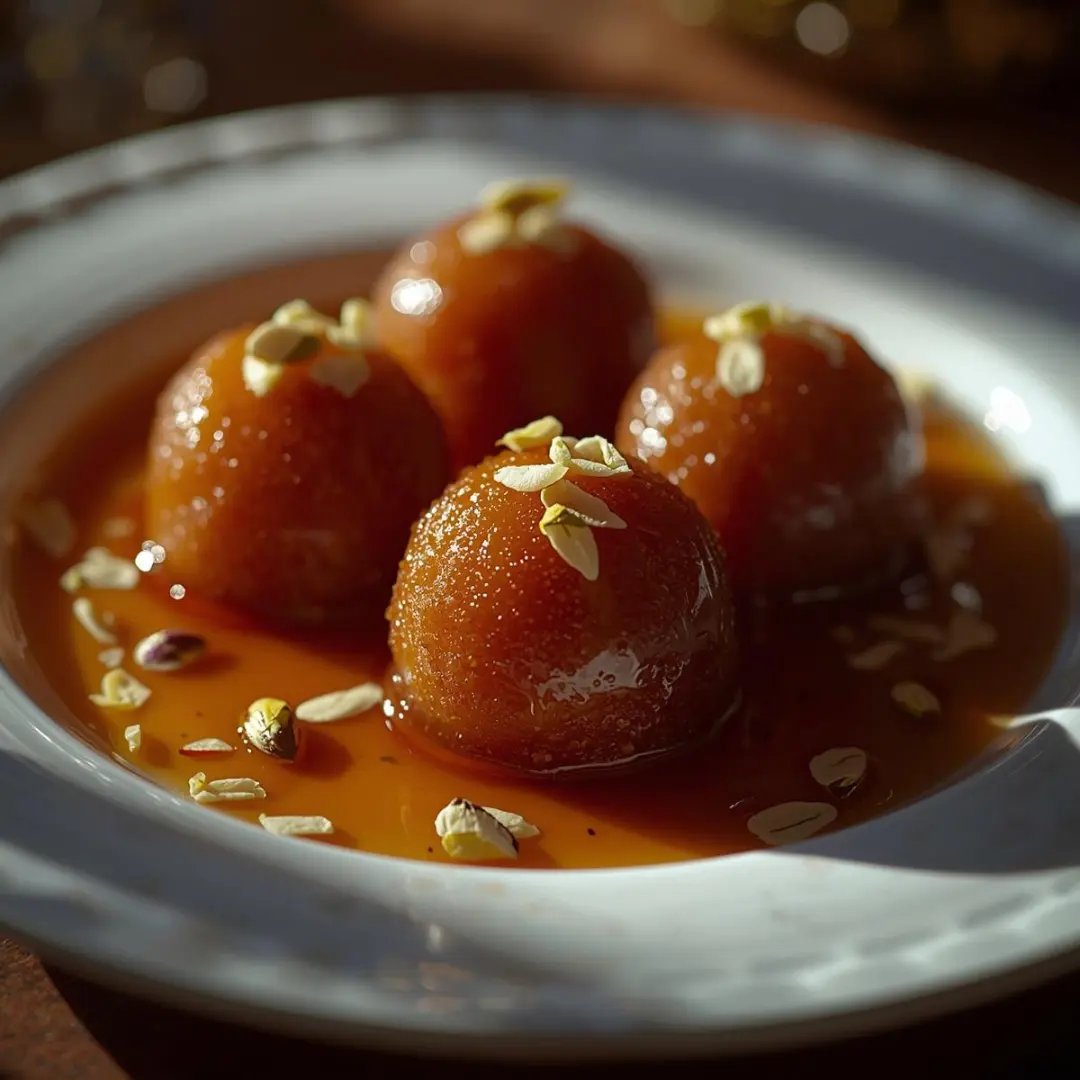

Savories balance the sweet — Chakli, Kachori, Samosa. Families exchange sweets, visit temples, and share meals — a reminder that true wealth is togetherness.
🌍 Diwali Around the World
From India to Nepal, Malaysia, Singapore, Fiji, South Africa, and Ukraine, Diwali unites millions. Hindus, Sikhs, Jains, and Buddhists observe it in their own ways — carrying the same message: let your inner light shine.
🌸 The Modern Relevance of Diwali
- Clean not only your home — also your thoughts.
- Release grudges and renew gratitude.
- Trade confusion for clarity, heaviness for joy.
Life becomes celebration when lived with full involvement yet without heaviness — the heart of Diwali.
✨ Final Thought
Whether you light a lamp, share sweets, or sit in quiet meditation — remember: Diwali is not just an event, but a state of being.
This Diwali, light the lamp within you — the lamp of clarity, love, and consciousness — and let it illuminate the world. 🌕🪔
Diwali — Frequently Asked Questions
What is Diwali?
Diwali (Deepavali) is India’s Festival of Lights, symbolizing the victory of light over darkness and good over evil.
How is Diwali celebrated?
By lighting diyas, decorating homes with rangoli, offering prayers to Lakshmi, sharing sweets and gifts, and enjoying festive meals.
How many days is Diwali?
Five days: Dhanteras, Choti Diwali (Naraka Chaturdashi), Lakshmi Puja, Govardhan Puja/Padwa, and Bhai Dooj.